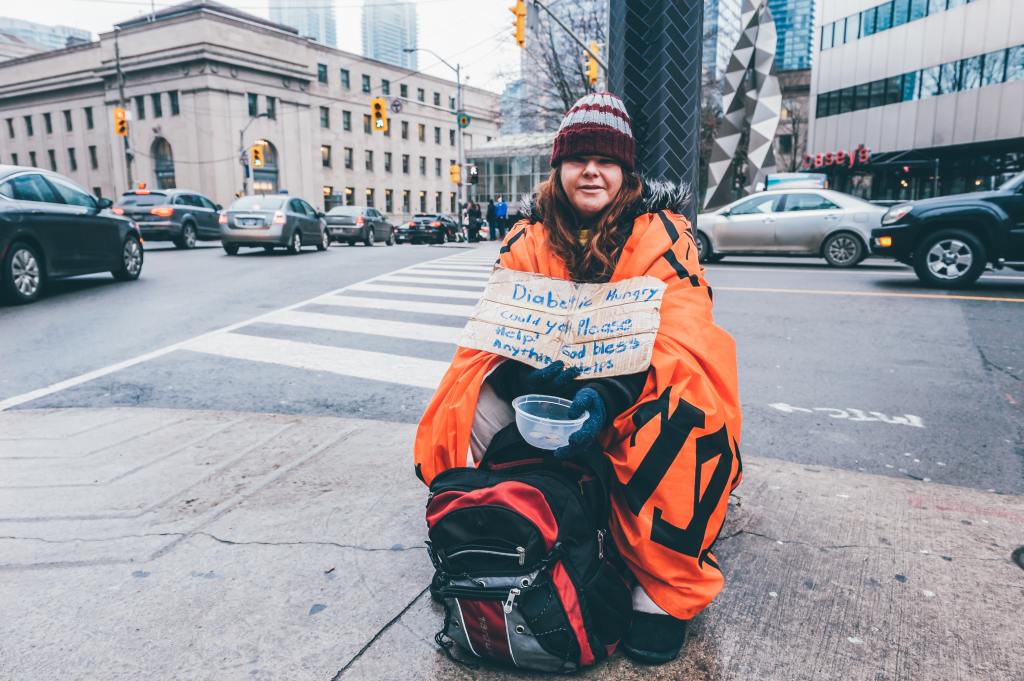
- “Complex Care Needs” is Not The Same As Multiple Symptoms: In this sense, having a number of symptoms is not what defines the complexity of care for people with complex needs. The true definition has always been fluid and that lack of a clear understanding of the term “complex care needs,” is what leads to a linear care approach that is not adequate to meet the needs of a complex care patient.
- Housing is a Mental and Physical Health Need: People who are homeless face several mental and physical health challenges as a result of their homelessness. The prevalence of infectious diseases is significantly higher in that population. They are more likely to be assaulted, and they are more likely to abuse alcohol and drugs than in the general population.
- Homelessness and Social Exclusion: Homeless people with complex needs present challenges when it comes to their care. Clinicians often characterize them as difficult to manage because they are “hard to reach”. Often, this results in them being characterized as somewhat chaotic and thereby justifies, from the clinician’s perspective, the lack of continuity of care. Perhaps, central to the challenge in providing care for the homeless is the inability for clinicians to fully understand their circumstances and thereby engage with them. At their core, people who are homeless, probably have difficulties relating with and trusting people by virtue of their transient nature.
- Complex Recovery: The traditional approach to recovery relies on hospitalization and proper medication management as the appropriate response to complex illness. This is challenging for patients who are unsheltered. These individuals enter their recovery trajectories with deficits due to the lack of stable housing. Difficulties in accessing, navigating, and staying connected to, support and health services due to their transient nature essentially make them often neglected and their care recovery process more complex.
- Hidden Homelessness: This includes people who become homeless, but find a temporary solution by staying with family members or friends, or living in other insecure accommodations. These groups are sometimes not seen as homeless and may not meet the fluid definition of complex, because they do not have a stable place to stay, they are forced to bounce from place to place, which may make managing a chronic illness challenging.
- Simplifying the Complexity of Being Unsheltered: Public Health has attempted to simplify the complexity of homelessness instead of embracing it. Services offered do not often provide what is needed to meet the complex nature of the needs of homeless people. There are good traditional single-issue services for example for people who suffer from misuse of substances, who are mentally ill, and are homeless, but those services are not designed for people who do not have those issues but yet are homeless with other complex needs.
- Homelessness is Not a Synonym for Drug Addiction: It is easy to assume that most homeless people are homeless because they are addicted to substances and can’t get sober. However, this isn’t statistically true, according to the Substance Abuse and Mental Health Services Administration, only around one-third of unsheltered adults have chronic substance abuse issues, the other two-thirds suffer homelessness due to economic reasons.
All services for people who are homeless, or who at risk of becoming homeless should always take a ‘people first’ and not ‘problem first’ approach to helping. This approach should help them meet their needs holistically.
An example of a problem first approach is the ‘stairway model’ of securing housing where certain thresholds have to be met before a homeless person is considered for housing. This approach is not sustainable and should be replaced by an intervention model of housing first with supportive wrap-around services as a homeless person becomes sheltered.
What is your perspective? Comment below and let’s get the conversation started.
It’s a RAP (Respect Science, Address systemic racism, Promote awareness of racial and ethnic disparities in healthcare).
 Musings of a Health Equity Advocate