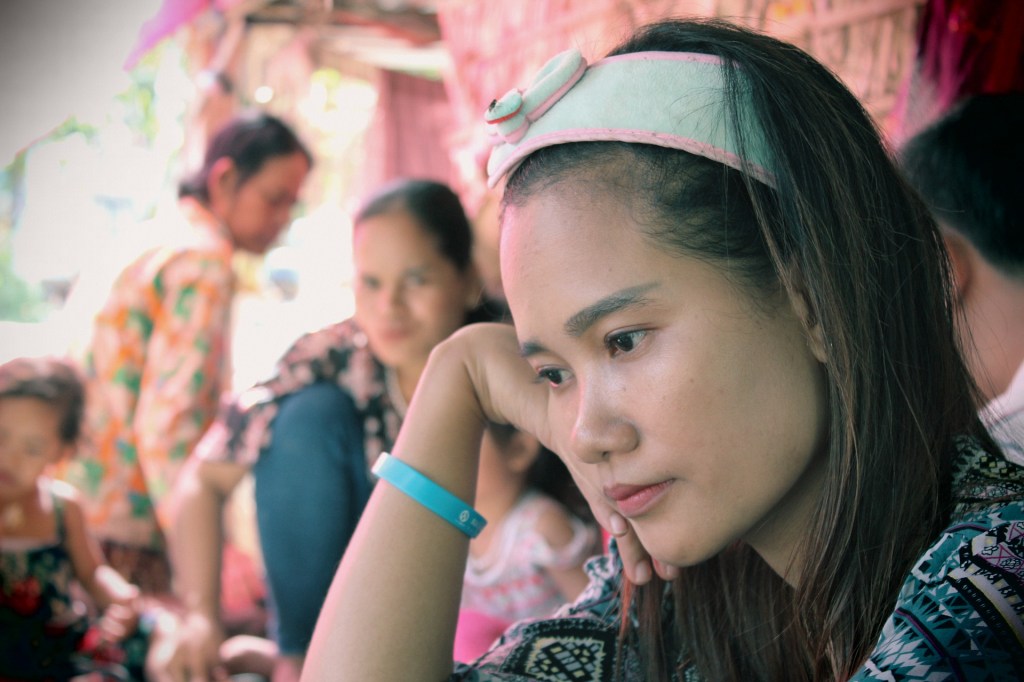
- Model minority victims: AAPIs face a unique challenge; they are stereotyped as being better than other minorities. This has made those of them that internalize the stereotypes promoted by this fiction positively, victims of it. They typically will not seek help when they experience mental, emotional, academic, or even economic challenges, for fear of tainting that positive image and becoming like one of the not so desirable minorities.
- Difference matters: No, all Asians are not the same. The U.S. Asian population represents people with roots to about 48 countries, each with its own unique history, culture, language and pre-disposition to certain diseases. Health data on Asian Americans and Pacific Islanders however, are often grouped into one category, not considering the significant differences among the numerous AAPI subgroups. For example, in New York City, the overall prevalence of smoking is 18.6% in whites and 14.1% in Asian Americans. When that same data was separated within AAPI subgroups, the actual prevalence of smoking was 35.5% in Korean Americans.
- Mind their language: Language is an important barrier for AAPIs seeking healthcare. Many elderly and recent migrant Asian Americans are not comfortable speaking in English and have difficulty communicating with physicians. It is not uncommon for AAPIs in that category to respond yes to most questions for fear of having to explain further in English.
- Perception is reality: Asian Americans’ cultural perception of role superiority has been found to prevent self-advocacy which is a critical element in Healthcare. For example, some Asian Americans will not request a 2nd opinion because it is perceived as not respecting the authority of the doctor.
- Health Insurance fine print: In the U.S., having health insurance is the primary gatekeeper to accessing health care. Anyone who has ever tried to purchase health insurance knows that it is the most difficult feat to navigate, for elderly and immigrant Asian Americans, this is more so difficult when you add the language barrier to health illiteracy. Data shows that about 10% of Asian Americans are uninsured.
- Alternative medicine can complement western medicine: Most AAPI communities use alternative medicine to manage a diversity of illnesses. The use of traditional medicine is ingrained in their culture and, as a result, may be preferred over Western medicine, most forms of alternative medicine have been used for thousands of years and have been found to relieve pain, treat illness, and save lives. Despite the pervasiveness of alternative medicine, limited research has been done on its clinical effectiveness and how it may be used to complement western medicine. A great example is the use of acupuncture for pain management, although studies reveal its clinical efficacy, physicians practicing western medicine seldom prescribe it over pain medication.
- Navigating the health system maze: Most underrepresented communities within AAPI find it extremely complicated to navigate the system. Burmese and Indonesian communities readily come to mind as likely to fit into this category. Interpretation and translation services are generally offered in healthcare settings, but often limited to languages of the larger AAPI groups such as Cantonese, Mandarin, Hindi, Tagalog, Korean, and Vietnamese. Underrepresented groups’ therefore, find it difficult to communicate with health professionals, which could lead to them misunderstanding medication directions and use.
What is clearly not fiction is the rise in anti- Asian hate as we battle coronavirus. The rhetoric around the virus and China has contributed to this. What we yet do not know, is the impact it already has on the AAPI community as it relates to reluctance to seek care for fear of being harassed or discriminated against. #stopasianhate
What is your perspective? comment below and lets get the conversation going.
Its a RAP (Respect science, Address systemic racism, Promote awareness of ethnic and racial health disparities)
 Musings of a Health Equity Advocate