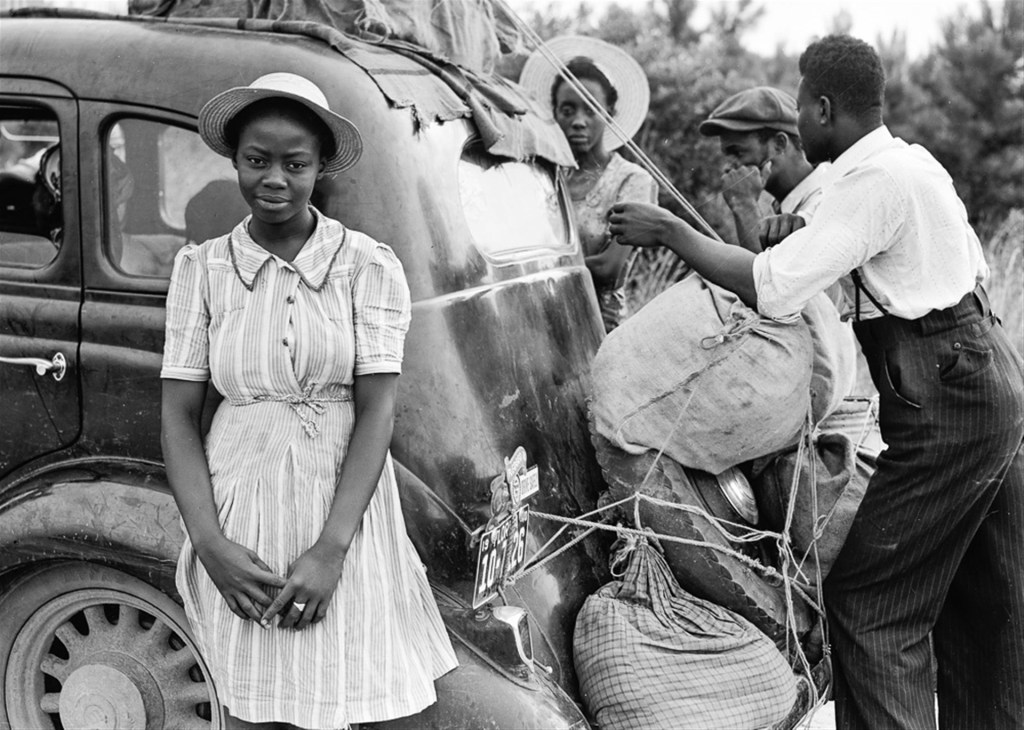
- Food is life: Historically, food played a significant role in mapping people of color’s identity. During slavery, African slaves used food practices to maintain a cultural connection with Africa. After emancipation, food provided many with a cultural link of solidarity to their enslaved ancestors.
- Lab rats were black: One origin of the negative racial attitudes toward health systems and health professionals is the fact that “white medical educators and researchers relied greatly on the availability of African American patients … for dissection, surgery, and bedside demonstrations.” The present-day fear and mistrust people of color have toward medicine and the healthcare system, and the beginnings of their legitimate discontent, is rooted in that fact.
- Unequal data: “Although health disparities between Blacks and Whites in the United States have existed since the very first settlers arrived, there was no systematic documentation of excess death among Black and other minority groups compared with the White population until the 1985 publication of the Heckler Report“
- Race and Ethnicity factored or not in care delivery: “Although there is a convincing body of evidence that shows that race continues to matter in care delivery, a nationally representative survey of physicians revealed that the majority of physicians do not view a patient’s race/ethnicity as a factor in obtaining care”
- The color line in population health: The color line runs through public health. The influence of race and racism remains pervasive in today’s health system and because of the magnitude of shame associated with it, the topic has been too often ignored in public discourse.
- In the lobby of the bank of justice: Mental health has been criminalized in the black community for decades, society continues to demand that people of color be productive, and responsible members of the society, yet failed to provide the necessary access and support for mental and behavioral health needed. I liken it to standing in the lobby of the bank of justice and handed a check with insufficient funds written on it.
- Black Doctors Matter: There are only about 5% of African American physicians in America, barriers include financial constraints, disparity in the quality of education rooted in lack of funding in communities of color and insufficient role models. In communities of color, representation matters and increasing the number of African American physicians will improve trust, communication and the overall health in communities of color.
Health systems need to understand the root cause before proffering a solution.
What is your perspective? comment below and lets get the conversation going.
Its a RAP (Respect science, Address systemic racism, Promote awareness of ethnic and racial health disparities)
 Musings of a Health Equity Advocate